The Intersection of Science and Scripture: Why Biblical Counseling Matters
Updated: May 2
The fog is thick. It is heavy. It feels like it’s choking the very life out of your lungs. Maybe it’s the claws of anxiety digging into your chest at 3:00 AM. Maybe it’s the vultures of depression circling your bed, waiting for you to finally give up. You’ve tried talking about it. You’ve tried the "world’s" solutions. You’ve scrolled through self-help TikToks and maybe even sat on a couch where a well-meaning professional told you to "just breathe."
But something is missing.
Brother or sister in Christ, stop for a second. Just stop. If you feel like your therapy is missing a limb, it’s probably because it is. Traditional therapy is great at looking at the "hardware", your brain chemistry, your childhood traumas, and your behavioral loops. But it often ignores the "software" and the "Power Source."
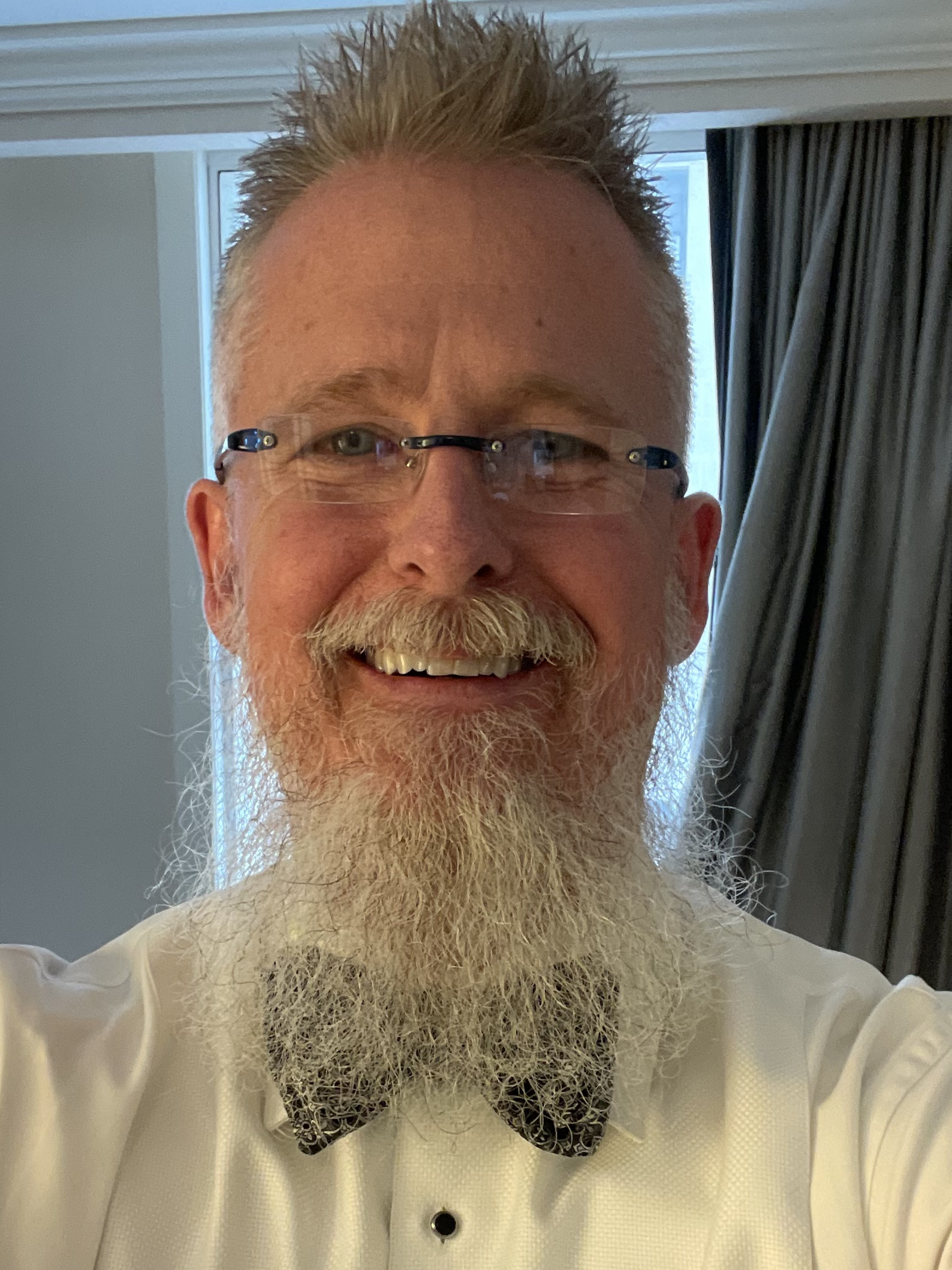
I’m Dr. David Lombard. I wear two hats: I’m a clinical psychologist with the degrees to prove I know how the brain works, and I’m a pastor who knows the One who designed the brain in the first place. When you combine high-level clinical science with the explosive power of the Gospel, you don’t just get "advice." You get a revolution.
Here is why biblical counseling isn't just a "nice addition" to your mental health, it’s the missing piece of the puzzle.
1. The Foundation: Integration Over Isolation
In the secular world, faith is often treated like a hobby. A therapist might say, "Oh, it’s nice that you go to church; keep doing that if it makes you feel good." They treat your spiritual life like a stamp collection, something secondary to the "real" work of clinical psychology.
That is a lie from the pit of hell.
Your faith isn't a side dish; it’s the main course. Christian counseling understands that you cannot separate the mind from the spirit. At my practice, we don't just "tolerate" your faith. We weaponize it. We take evidence-based modalities like Cognitive Behavioral Therapy (CBT) and we baptize them in Scripture.
Why? Because telling yourself "I am capable" is a flimsy band-aid. Reminding yourself that you are "fearfully and wonderfully made" (Psalm 139:14) is a blood-bought fortress. We integrate biblical wisdom for mental health with the best clinical care because you are a whole person, not a collection of symptoms.

2. The View of the Person: Body, Mind, AND Spirit
Traditional therapy sees you as a biological machine shaped by your environment. If the machine breaks, you fix the wiring (biology) or the external inputs (environment). While that’s partially true, it’s incomplete.
Faith based therapy recognizes that you are a three-part being: body, mind, and spirit.
The Body: Yes, we look at sleep, nutrition, and chemistry.
The Mind: Yes, we look at cognitive distortions and emotional regulation.
The Spirit: We ask the hard questions. Where is God in your pain? Are you believing the lies of the enemy? Is your identity rooted in your trauma or in your Savior?
If you only treat the symptoms, you’re just rearranging the deck chairs on the Titanic. Biblical counseling goes into the hull of the ship. We address the spiritual wounds that "pills alone" can never reach. When we tackle overcoming anxiety, fear, and worry, we aren't just teaching you to breathe; we are teaching you to trust the Creator of the wind.
3. The Source of Authority: The DSM vs. The Divine
Hear me clearly: I respect the DSM-V (the diagnostic manual for psychologists). It’s a useful map. But it is not the compass.
Traditional therapy grounds its authority in current social norms and evolving scientific theories. What was "normal" twenty years ago is "disordered" today, and vice-versa. It’s shifting sand.
Biblical counseling is grounded in the Word of God, which is "living and active, sharper than any double-edged sword" (Hebrews 4:12). While the world offers "fluffy tips" on self-esteem, we offer the "radical" truth of your identity in Christ. This matters because when the storm hits, you don't need a theory. You need a Rock.
When you come in for counseling, we use clinical tools as the "how," but we use the Bible as the "why." It provides an objective reality that doesn't change based on how you feel on a Tuesday morning.

4. The Goal: Management vs. Transformation
Most traditional therapy has one goal: symptom management. They want you to function. They want you to get back to work. They want you to "cope."
Don’t settle for "coping."
God didn't call you to just "cope" with your life; He called you to be a "more than a conqueror" (Romans 8:37). Biblical counseling isn't about white-knuckling your way through the week. It’s about heart transformation. It’s about the "explosive" power of being raised new in Christ.
In traditional therapy, you might talk about your depression symptoms for years without ever addressing the spiritual vacuum underneath. In our approach, we look for the top reasons Christian counseling is vital for depression. We want to see the "oil of joy instead of mourning" (Isaiah 61:3). We aren't just trying to get you back to "neutral." We are aiming for the "peace that surpasses all understanding."
5. Acts of Rebellion: Mental Health as Warfare
The world tells you that your mental health struggle is just a "unlucky break" or "bad luck."
I’m telling you it’s warfare.
Worry is often an act of arrogance: it’s believing the lie that you have to control the universe because God won't. Fear is a vulture that feeds on spiritual complacency. When we engage in Christian therapy, we view your healing as an act of rebellion against the darkness.
Setting boundaries with a toxic person isn't just "self-care"; it’s honoring the temple of the Holy Spirit.
Challenging a depressive thought isn't just a "mental exercise"; it’s "taking every thought captive" (2 Corinthians 10:5).
Choosing to hope when your world is falling apart isn't "delusional"; it’s a bold maneuver in the middle of a spiritual battle.

Why This Unique Blend Matters for You
You might be thinking, "Dr. Lombard, do I really need a psychologist and a pastor?"
Think of it this way: If your car breaks down, you want a mechanic who knows the engine. But if you're trying to win a race, you also want a coach who knows the track. I’ve spent my life studying the "engine" of the human mind, but I’ve spent my eternity committed to the "Coach" of the human soul.
When you combine the two, you get a clinical perspective that doesn't ignore the soul, and a pastoral perspective that doesn't ignore the science. You get a space where you can be honest about your medication and your prayers.
Tactical Battle Orders: Your Next Move
Stop believing the lie that you have to choose between your brain and your Bible. You can have both. You should have both.
If you are tired of "pills alone," tired of "fluffy tips," and tired of feeling like your faith has to stay in the waiting room, it’s time for a different approach. You are not a victim of your biology or your past. You are a workmanship (Ephesians 2:10), blood-bought and destined for purpose.
And if you want ongoing support that doesn’t fizzle out after one good session or one strong Sunday, plug into the Holy Psych Community. It’s built for believers who want consistent biblical wisdom, practical mental health tools, and real-time encouragement—so you’re not fighting alone between appointments. Consider it your reinforcement unit.
Don't settle for surviving. Run headlong into the healing that comes when clinical expertise meets eternal truth.
If you’re ready to stop white-knuckling your life and start walking in the power of an integrated approach, let’s get to work. Whether you're dealing with the shackles of anxiety or the weight of depression, there is a path forward that reeks of hope rather than despair.
You are a conqueror. Now, start acting like one.
May the God of peace, who through the blood of the eternal covenant brought back from the dead our Lord Jesus, that great Shepherd of the sheep, equip you with everything good for doing his will. I’m praying for you, and I’m ready to stand in the trenches with you.
He is the Provision,
Dr. David Lombard, PhD Psychologist. Pastor. Fellow Disciple.

Comments